Aviation Safety Symposium 2026 · BMICH, Colombo · 16 November
SAFETY SYMPOSIUM 202616 NOV · BMICH · COLOMBO
Airline Pilots' Guild of Sri Lanka (ALPGSL) Association of Airline Pilots Sri Lanka (AAPSL) Oneworld Cockpit Crew Coalition (OCCC)
Aviation Safety Symposium 2026

Safer Skies.
Safer Workplaces.

Learning from Aviation. Strengthening Safety Across Industries.

Monday 16 November 2026 · From 3:00 PM · BMICH, Colombo
Open to the public · Prior registration required

DateMonday 16 November 2026
TimeFrom 3:00 PMSri Lanka time
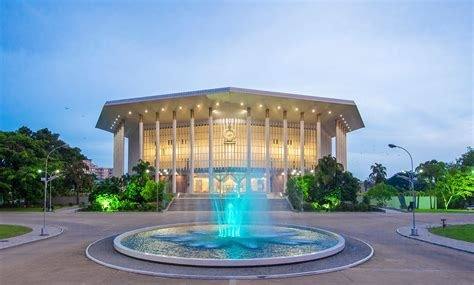
VenueBMICH, ColomboOpen in Google Maps ↗
AdmissionOpen to the publicPrior registration required
About the symposium

A conversation about how organisations can become safer

Aviation is widely recognised for its systematic approach to safety, developed through decades of operational experience, accident investigation, technological advancement, international cooperation and continuous learning.

Many safety practices pioneered or significantly advanced within aviation have influenced approaches used in healthcare, engineering, transport, energy and other safety-critical sectors.

The Aviation Safety Symposium 2026 brings together international aviation safety experts, professional representatives and Sri Lankan stakeholders to explore how these principles can strengthen organisational safety, professional wellbeing and responsible decision-making.

It is organised jointly by the Airline Pilots' Guild of Sri Lanka (ALPGSL), the Association of Airline Pilots Sri Lanka (AAPSL) and the Oneworld Cockpit Crew Coalition (OCCC). The aim is meaningful dialogue between aviation and other industries: each profession faces different risks, but many of the human and organisational challenges are shared.

This is not simply a conference about aviation. It is a conversation about how organisations can become safer.

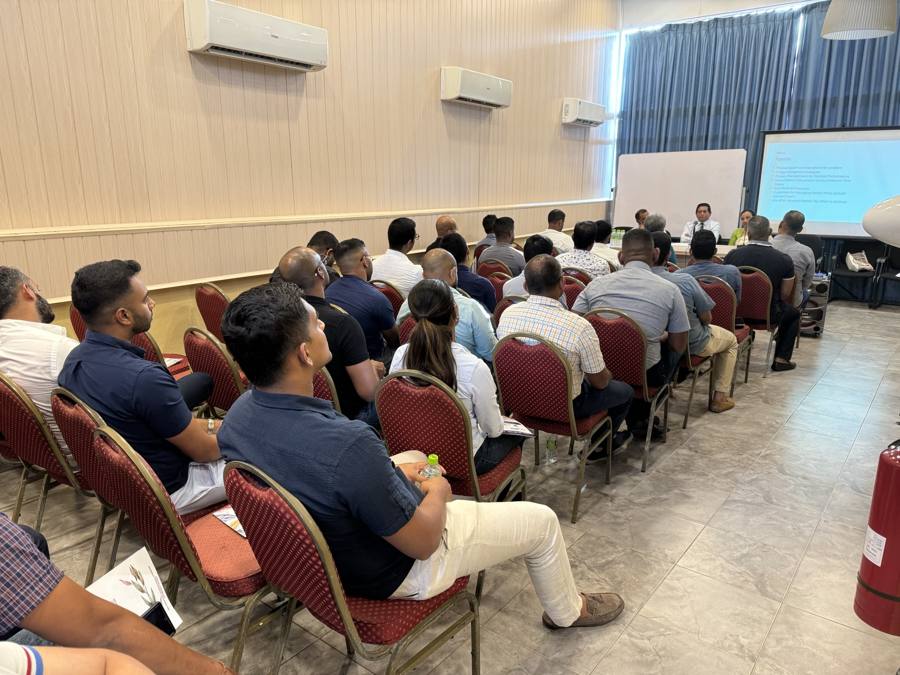
An audience of pilots listening to a panel at an aviation health and safety session
Why this symposium matters

Why Aviation Safety Matters Beyond Aviation

Aviation operates in an environment where errors can have serious consequences. Over many decades, the industry has developed structured methods to identify hazards, manage risk, investigate incidents, encourage reporting and continuously improve safety performance.

One of aviation's most important contributions has been recognising that safety cannot depend solely on individual competence or the absence of mistakes. Human beings are fallible. Even experienced and highly trained professionals can make errors.

Effective safety systems therefore focus on designing organisations, procedures and working environments that anticipate human limitations, detect problems early and prevent individual errors from escalating into serious accidents.

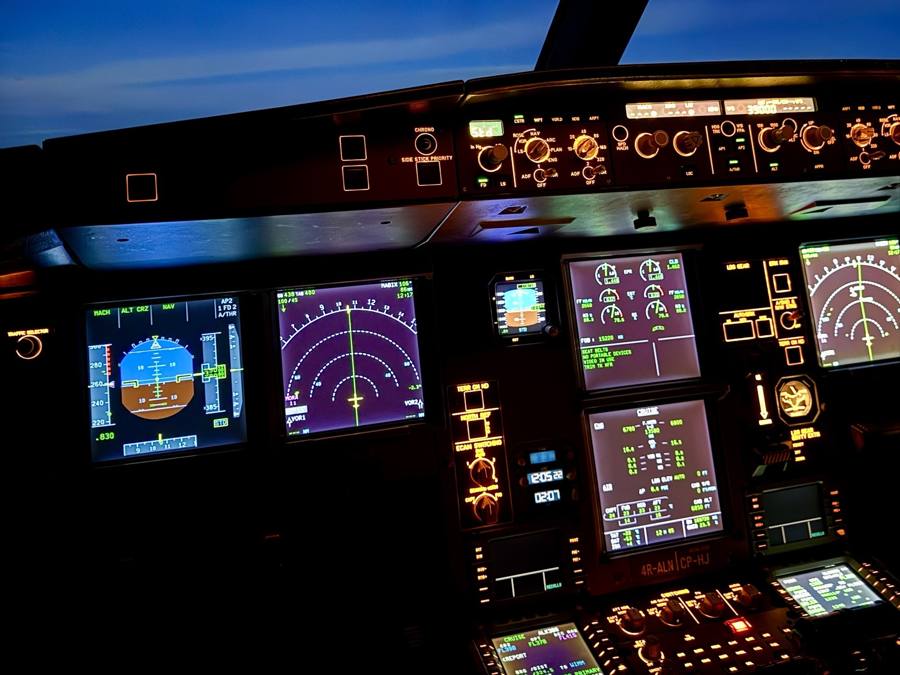
An airline flight deck at dusk, instruments lit, during cruise

Aviation has helped develop and popularise several important safety concepts:

Crew Resource Management (CRM)

Originally developed to improve teamwork, communication, leadership and decision-making on the flight deck. CRM principles have since influenced teamwork and crisis-management training in healthcare, emergency services and other high-risk professions.

In plain wordsTraining teams to speak up, listen, share the workload and make decisions together, so that no one person's mistake goes unnoticed.

Structured checklists

Aviation's disciplined use of standardised checklists has helped show how systematic procedures can reduce omissions and improve consistency. Similar principles have influenced surgical safety checklists and procedures in other complex workplaces.

In plain wordsA short, agreed list of critical steps, read and checked every time, because memory fails under pressure.

Non-punitive reporting and Just Culture

Aviation safety systems increasingly encourage people to report errors, hazards and near misses without unnecessary fear of punishment, while keeping appropriate accountability for reckless or unacceptable conduct.

In plain wordsPeople can admit honest mistakes so everyone learns from them. Deliberate or reckless behaviour is still dealt with.

Safety Management Systems (SMS)

Modern aviation uses structured approaches to hazard identification, risk assessment, safety assurance and continuous improvement. These principles apply to any organisation that wants to move beyond reacting to accidents.

In plain wordsAn organised, ongoing way of finding risks, reducing them and checking that the fixes work.

Human factors and error management

Aviation has contributed substantially to understanding how fatigue, stress, workload, communication, organisational pressure and human limitations influence performance.

In plain wordsDesigning work around how people actually perform, including when they are tired, rushed or under pressure.

Learning from incidents and near misses

Rather than waiting for a major accident, aviation places considerable emphasis on identifying warning signs and learning from smaller events before they lead to serious consequences.

In plain wordsTreating every "close call" as free information about what could go wrong next time.

Aviation did not invent every one of these ideas. Healthcare, nuclear power, the process industries, psychology and many other fields have made important contributions to safety science. The symposium is about exchanging knowledge between professions, not suggesting that aviation has all the answers.

The challenge is not simply to prevent people from making mistakes. It is to build systems that prevent mistakes from becoming disasters.

Objectives

Our Purpose

The Aviation Safety Symposium 2026 seeks to encourage a broader conversation about safety culture, professional wellbeing and the responsible management of operational risk. Through international experience and multidisciplinary discussion, the symposium aims to:

  1. Promote positive safety cultures built on trust, accountability, transparency and continuous learning.
  2. Encourage organisations to develop environments where employees feel confident reporting safety concerns and potential hazards.
  3. Explore how structured peer-support programmes can strengthen professional wellbeing and operational safety.
  4. Examine emerging developments in aviation, including proposals to reduce flight-deck crewing, from the perspectives of safety, human factors, technology and regulation.
  5. Facilitate meaningful interaction between aviation professionals and representatives of other industries.
  6. Show how lessons from aviation can contribute to improving safety practices within Sri Lankan organisations.
  7. Encourage collaboration between professional associations, regulators, employers, policymakers and the wider public.

The purpose is not to prescribe one universal solution but to encourage informed discussion, shared learning and practical improvements.

The three main discussions

Symposium Themes

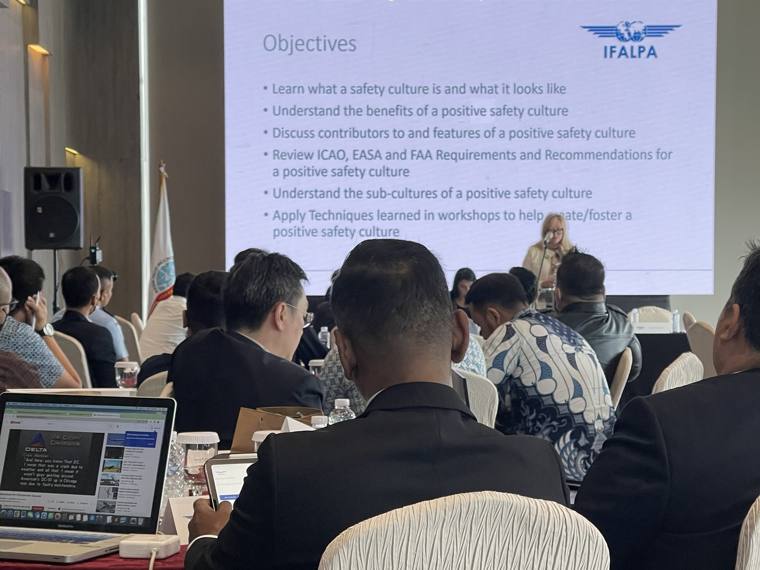
A presentation on positive safety culture at an IFALPA workshop
DISCUSSION 1 · POSITIVE SAFETY CULTURE IN THE WORKPLACE

Building Organisations Where Safety Comes First

A positive safety culture is not created simply by introducing rules or demanding compliance. It develops when employees and management share a genuine commitment to safety, supported by trust, open communication, fair accountability and organisational learning.

This discussion will examine how organisations can encourage reporting, respond constructively to errors and near misses, strengthen leadership responsibility and create environments where safety concerns can be raised without fear of inappropriate retaliation. It will also explore how safety culture relates to productivity, professional responsibility and organisational performance.

Why it matters beyond aviation

The same challenges exist in hospitals, factories, construction sites, transport systems, schools and universities, and corporate workplaces. An organisation where employees are afraid to speak up may not see serious risks until an accident occurs.

DISCUSSION 2 · PEER SUPPORT

Supporting the People Behind Safety-Critical Decisions

Professionals in demanding environments may experience fatigue, stress, personal difficulties and psychological pressures that affect their wellbeing. In aviation, structured peer-support programmes let people seek help from appropriately trained colleagues, backed by professional resources and clear confidentiality arrangements.

This discussion will explore how effective programmes are developed, how trust and confidentiality are maintained, and how organisations can support their people without creating stigma or barriers to seeking help. It will also explain how peer support differs from clinical mental healthcare, and how professional referral and safeguarding fit into a well-run programme.

Why it matters beyond aviation

Healthcare workers, emergency responders, maritime professionals, engineers and others in demanding jobs face similar pressures. Peer support can help create workplaces where asking for help is seen as a responsible professional step, not a sign of weakness.
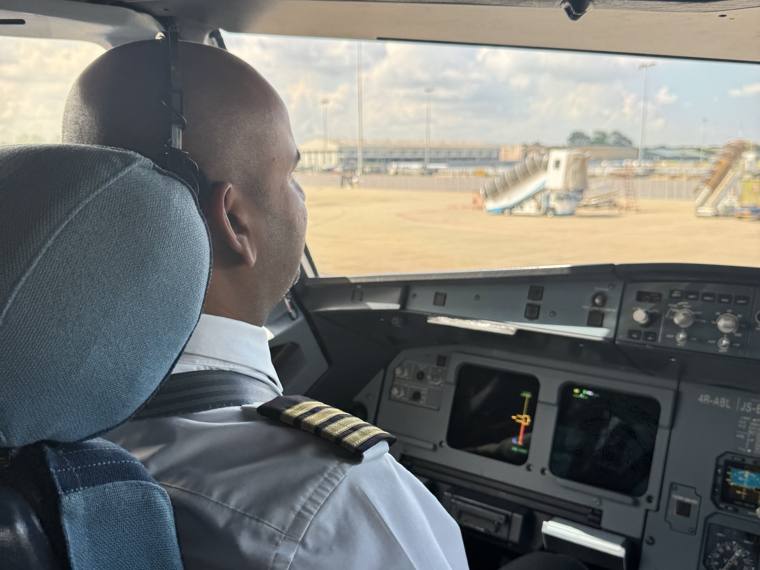
An airline captain at the controls on the flight deck before departure
DISCUSSION 3 · REDUCED CREW OPERATIONS

Technology, Automation and the Future of Human Oversight

Aviation continues to explore technologies and operating concepts that could change the traditional make-up of airline flight crews. Proposals for Reduced Crew Operations (fewer pilots on the flight deck during parts of a flight) and Single Pilot Operations (one pilot instead of two) raise important questions about safety, human performance, automation, resilience, regulatory oversight and the handling of unexpected events.

This discussion will examine these developments critically and in an evidence-based way: acknowledging what technology can do, while carefully examining its limitations and risks, and hearing the perspectives of pilots and their professional organisations.

Why it matters beyond aviation

Automation and artificial intelligence are changing industries worldwide, from autonomous transport and advanced manufacturing to healthcare and energy. Every organisation must decide how much responsibility to hand to technology and how much human oversight to keep. Aviation is a valuable case study in balancing progress, efficiency, human judgement and safety.

Who should attend

Safety Is Everyone's Responsibility

The symposium welcomes people from all professional and educational backgrounds. It will be particularly relevant to:

  • Aviation professionals and industry stakeholders
  • Healthcare professionals and hospital administrators
  • Engineers and manufacturing professionals
  • Construction and infrastructure specialists
  • Maritime, rail and road transport professionals
  • Energy and utility sector professionals
  • Government officials and regulators
  • Corporate leaders, managers and HR professionals
  • Occupational health and safety practitioners
  • Academics, researchers and university students
  • Journalists and media representatives
  • Members of the public interested in organisational safety

No aviation background needed.The symposium is designed for people who may never have worked in aviation, but whose organisations face similar challenges with safety, human performance and accountability.

The organisers

International Experience. Shared Responsibility.

The symposium is a collaborative initiative of ALPGSL, AAPSL and OCCC, bringing together Sri Lankan aviation professionals and international representatives to share contemporary safety thinking with a wider Sri Lankan audience.

International participants bring experience of how safety principles have developed in different operating environments. Sri Lankan professionals bring deep knowledge of local conditions. The goal is mutual learning and practical safety improvements that suit Sri Lanka.

Airline Pilots' Guild of Sri Lanka (ALPGSL)

A professional organisation promoting the highest standards of aviation and aviation safety in Sri Lanka, bringing the professional pilot's perspective to national and international stakeholders.

Association of Airline Pilots Sri Lanka (AAPSL)

A professional platform representing the wider airline pilot community in Sri Lanka.

Oneworld Cockpit Crew Coalition (OCCC)

An international coalition of pilot associations representing pilots who fly for oneworld alliance airlines, meeting in Colombo for its Fall Conference 2026.

Speakers and panels

International speakers

Each discussion is a moderated panel of Sri Lankan and international pilots and specialists, followed by questions from the audience. The line-up below is as confirmed so far. Speaker profiles will be published as information is confirmed.

PANEL 1 · 16:00

Positive Safety Culture

How trust, open reporting and frontline participation help organisations learn, and what other safety-critical professions in Sri Lanka can take from aviation.

  • ModeratorCapt. John SluysAlaska Airlines / ALPA
  • Capt. Atte JokinenFinnair / SLL
  • Capt. Brian MoynihanAlaska Airlines / ALPA
  • Capt. Pujitha JayakodySriLankan Airlines / ALPGSL
PANEL 2 · 16:45

Peer Support

Structured peer support programmes: confidentiality, trained peers and early help-seeking that protects both wellbeing and safety.

  • ModeratorCapt. Shavantha PedrisSriLankan Airlines / ALPGSL / IFALPA
  • Capt. Corey BeerQantas / AIPA
  • Cyrano LatiffCentre for Mindfulness Singapore
PANEL 3 · 18:00

Reduced Crew Operations

Reduced crew and single-pilot concepts: workload, fatigue, incapacitation, automation and operational resilience.

  • ModeratorCapt. John ChristySriLankan Airlines / ALPGSL
  • F/O Dara van LangenKLM / VNV
  • Capt. John SluysAlaska Airlines / ALPA
All times Sri Lanka (UTC+05:30)

Programme

Mon 16 Nov · Aviation Safety Symposium 2026BMICH, Bauddhaloka Mawatha, Colombo 07
TIMESESSION
15:00–15:30Registration and arrival of guests
15:30–15:45Welcome and opening remarks
15:45–16:00Keynote / special address
16:00–16:45Panel 1 · Positive Safety Culture
16:45–17:30Panel 2 · Peer Support
17:30–18:00Refreshment break
18:00–18:45Panel 3 · Reduced Crew Operations (RCO)
18:45–19:05Open discussion and audience questions
19:05–19:15Closing remarks
19:15 →Networking reception

The programme is provisional. A detailed programme will be published as details are confirmed.

Expression of interest · Closes Tue 10 Nov 2026, 23:59 Sri Lanka time

Register Your Interest

The Aviation Safety Symposium 2026 welcomes participants from across professions, industries and the wider public. Whether you work in aviation, healthcare, engineering, education, public administration or another field, we invite you to join this important discussion about safety and organisational responsibility.

Due to limited seating, attendance will be confirmed following review of expressions of interest by the organising committee. Submitting an expression of interest does not constitute confirmation of attendance.

  1. Register your interestFill in the short form below. It takes about two minutes.
  2. The committee reviewsThe organising committee reviews every expression of interest.
  3. We confirm by emailSuccessful applicants are contacted directly with confirmation of attendance.
OCCC delegates are already registered. If you registered on the OCCC Fall Conference website and chose the Safety Symposium, your seat is reserved. You don't need this form.
About you

Fields marked * are required.

Privacy notice

  • Why we collect it. Only to review your expression of interest, contact you about attendance, and manage admission and seating on the day.
  • Who can see it. Only members of the symposium organising committee from ALPGSL, AAPSL and OCCC. It is never published, sold or shared with sponsors or other third parties.
  • Where it is kept. In a private Google spreadsheet that only the organising committee can open.
  • How long we keep it. Until the symposium has taken place. All registration data will be deleted by 31 December 2026.
  • Your choices. To see, correct or delete your details, or to withdraw, contact slpilots@gmail.com.
  • Photography. Photographs and video may be taken at the symposium for reporting on the event.
This is an expression of interest, not a confirmed place.
Venue and contact

BMICH, Colombo

Venue
Bandaranaike Memorial International Conference Hall (BMICH)
Address
Bauddhaloka Mawatha, Colombo 07, Sri Lanka
Date
Monday 16 November 2026
Time
From 3:00 PM (registration and arrival from 3:00 PM)
Admission
Free. Open to the public, prior registration required
Contact
slpilots@gmail.com

Please bring the confirmation email you receive from the organising committee. Attendance without prior confirmation may not be possible because seating is limited.

The Bandaranaike Memorial International Conference Hall (BMICH), Colombo

Safety Is Not an Accident. It Is a Culture.

Every organisation makes decisions that affect the safety and wellbeing of people.

Aviation's experience shows that lasting improvements in safety require more than technology, procedures or regulations. They require leadership, trust, open communication, professional responsibility and a willingness to learn.

The Aviation Safety Symposium 2026 invites Sri Lanka's professionals, institutions and wider public to explore how these principles can help build safer workplaces, stronger organisations and a more resilient society.

Join the conversation. Learn from experience. Help shape a safer future.

Register Your Interest